



Grand Prix de Paris, First Biennale of Young Artists
Received for outstanding young artists' exhibition in Paris.
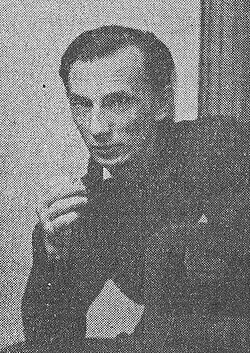
Jan Lebenstein (1930–1999)
Painter and graphic artist, representative of Polish figuration, surrealism, and abstraction
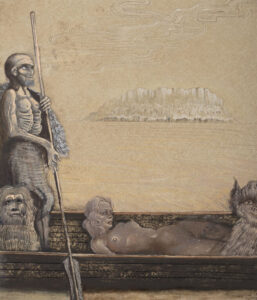
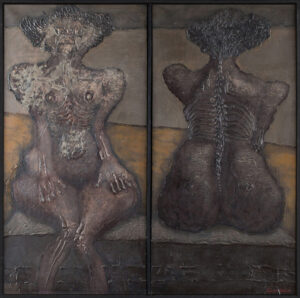
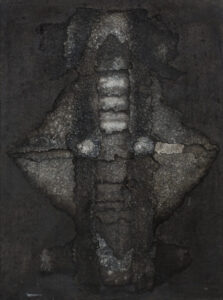
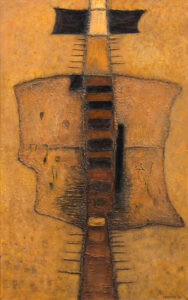
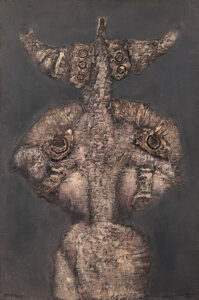
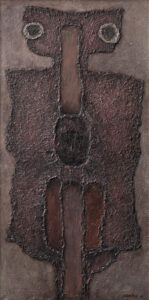
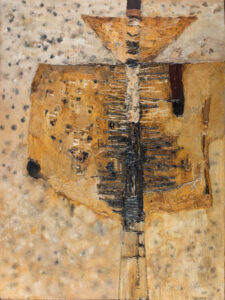
Technique: Lebenstein practiced an original form of figurative painting, incorporating surreal and abstract elements. He created paintings with a distinct texture, often using dark, earthy tones. His works were characterized by monumental forms and strong emotional charge.
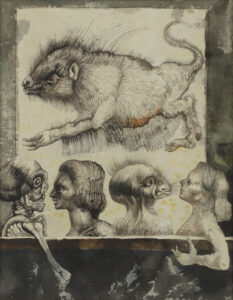
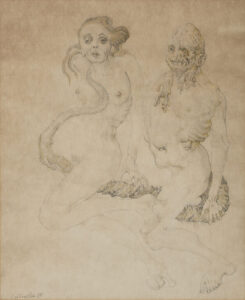
Breakthrough: He created cityscapes, poetic transpositions of the human figure, and expressive fantastic-symbolic compositions with animal motifs. His work was a response to the difficult wartime and postwar experiences, serving as a personal reflection on the human condition.
Artistic life: Lebenstein studied at the Warsaw Academy of Fine Arts, then continued his education in Paris, where in 1959 he won the Grand Prix de Paris at the First Biennale of Young Artists. His works were shown in numerous solo and group exhibitions both in Poland and abroad.
Trivia: He illustrated George Orwell’s Animal Farm and several biblical books. In 1987, he received the Jan Cybis Award for his entire body of work. In 1992, the largest exhibition of his works in Poland was held at Warsaw’s Zachęta Gallery.
For contemporaries: His work is an important reference point in discussions on expression and emotionality in art, offering inspiration for artists seeking deep cultural and aesthetic references.
 Joanna Piotrowska - Art Advisor & Marszand
Jan Lebenstein was a notable Polish painter and graphic artist known for his unique figurative style incorporating surreal and abstract elements. He studied at the Academy of Fine Arts in Warsaw and had a significant career in Poland and France, earning numerous awards and recognition.
Born in 1930 in Brest-on-the-Bug, Lebenstein came from a Jewish family. He studied at the State High School of Fine Arts in Warsaw and then at the Academy of Fine Arts in Warsaw under Artur Nacht-Samborski from 1948 to 1954. He debuted at the Warsaw Arsenal in 1955.
In 1959 Lebenstein received the Grand Prix de Paris at the First Biennale of Young Artists and relocated permanently to Paris, becoming a French citizen in 1971. His work combined figurative styles with surreal and abstract influences, including biblical illustrations and symbolic imagery.
He was awarded by the Alfred Jurzykowski Foundation in New York (1976) and received the Jan Cybis Award in 1987. His largest exhibition in Poland took place at the Zachęta National Gallery in Warsaw in 1992. He was posthumously awarded the Grand Cross of the Order of Polonia Restituta in 1998.
Lebenstein's works include paintings, stained glass, and graphic cycles displayed in major museums and collections. He illustrated literary works such as George Orwell's Animal Farm and the Biblical books. He is buried at Powązki Cemetery in Warsaw.
Polish
Graphic Artist, Painter, surrealism
figurative painting with surreal and abstract elements, biblical themes, poetic human figures, animal motifs, symbolic fantasy compositions
Received for outstanding young artists' exhibition in Paris.
Awarded by New York foundation for artistic achievement.
For distinguished contribution to Polish painting.
Awarded by President of Poland for merits to Polish culture.