



Gold Cross of Merit
Awarded by Emperor Franz Joseph I for his artistic contributions including theater murals.

Gustav Klimt (1862–1918)
The golden eroticist of Viennese Art Nouveau.
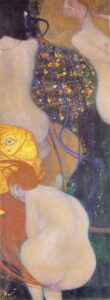
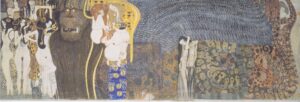
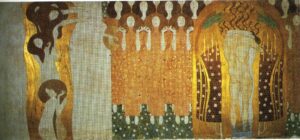
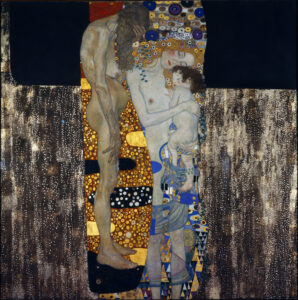
Style: Symbolism, Art Nouveau. Decorative, golden compositions often charged with erotic tension. The female body as both icon and ornament.
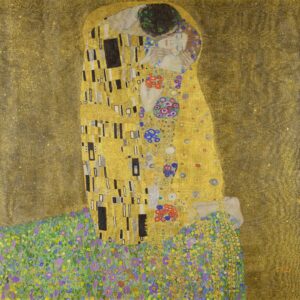
Technique: Golden backgrounds inspired by Byzantine icons. A fusion of painting, drawing, mosaic, and ornamental detail.
Curiosity: Never married, but had many muses. He painted women with both fascination and mystery.
For today: Klimt inspires in an age of visual overload – his style is aesthetic ecstasy, art like jewelry for the emotions.
 Joanna Piotrowska - Art Advisor & Marszand
Gustav Klimt was an Austrian symbolist painter and founding member of the Vienna Secession movement. He defined the Art Nouveau style in Europe and became famous for his erotic and decorative paintings, especially in his 'golden phase' using gold leaf. Klimt's notable works include 'The Kiss' and 'Portrait of Adele Bloch-Bauer I'.
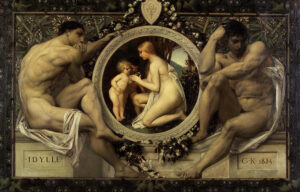
Born the second of seven children to a gold engraver in Baumgarten near Vienna, Klimt experienced poverty and family health issues. He studied architectural painting at Vienna's Kunstgewerbeschule and initially executed conventional murals and decorations with his brother and Franz von Matsch.
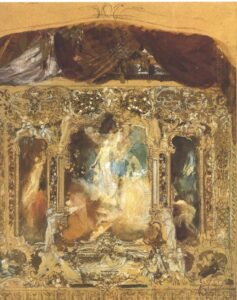
Klimt and his collaborators formed the 'Company of Artists', which gained commissions including work at Viennese theatres and the Kunsthistorisches Museum. He earned the Gold Cross of Merit from the Emperor and honorary university memberships. Early success came with works like 'Audience at the Old Burgtheater'.
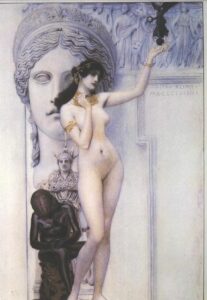
Klimt co-founded the Vienna Secession in 1897, promoting avant-garde art. His style evolved incorporating flatness, decoration, and gold leaf, culminating in masterpieces like 'Pallas Athena', 'Judith I', and 'Nuda Veritas' which critiqued social issues.
From 1900, Klimt became renowned for female portraits richly decorated with gold leaf. Traveling widely, he incorporated Byzantine and Japanese influences, contributing to projects like the Stoclet Palace. His works mixed eroticism, symbolism, and Art Nouveau aesthetics.
Austrian
Painter, Painting
Female body, eroticism, allegories, portraits, landscapes, symbolism, Art Nouveau, Vienna Secession
Awarded by Emperor Franz Joseph I for his artistic contributions including theater murals.
First recipient of the Kaiserpreis for the painting 'Audience at the Old Burgtheater'.
Death and Life' recognized for artistic achievement.
Achieved success with works like 'Portrait of Adele Bloch-Bauer I' and 'The Kiss'.