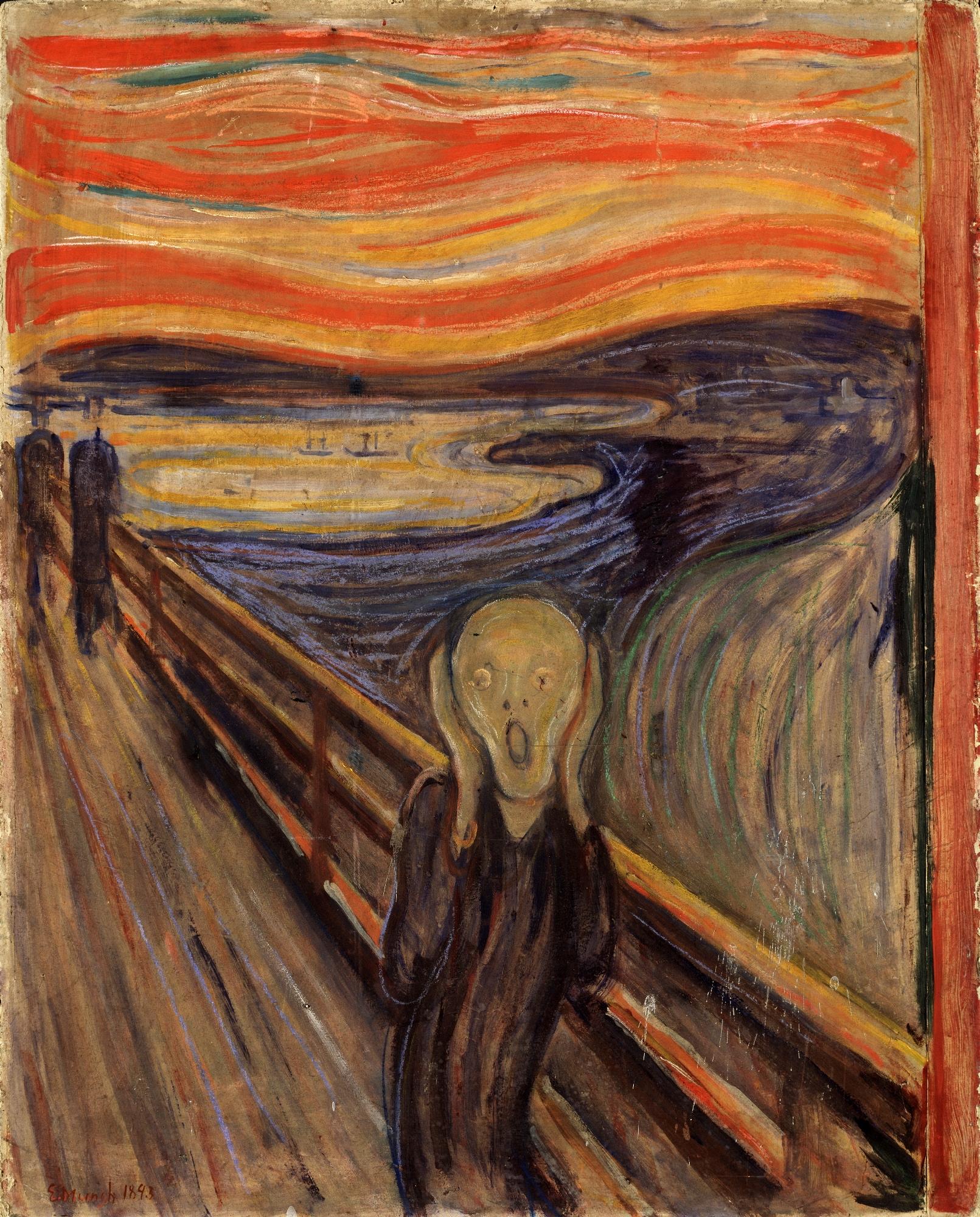
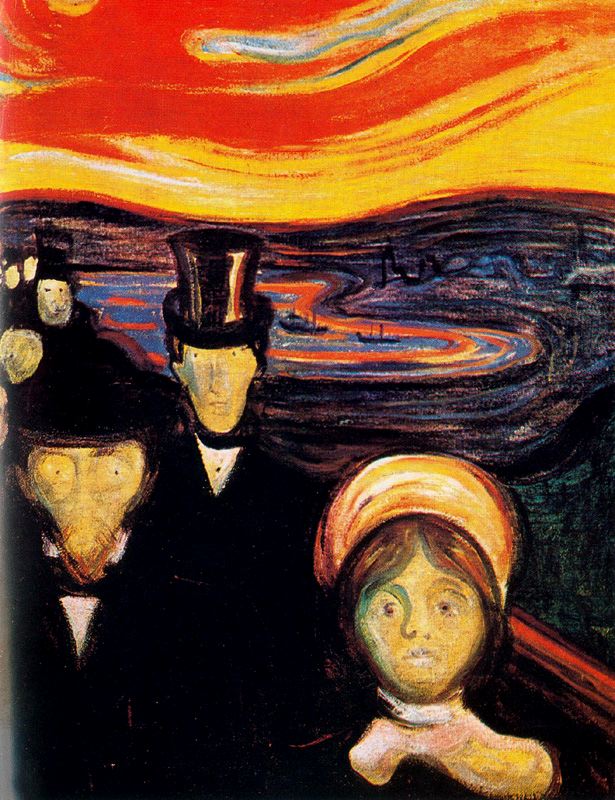
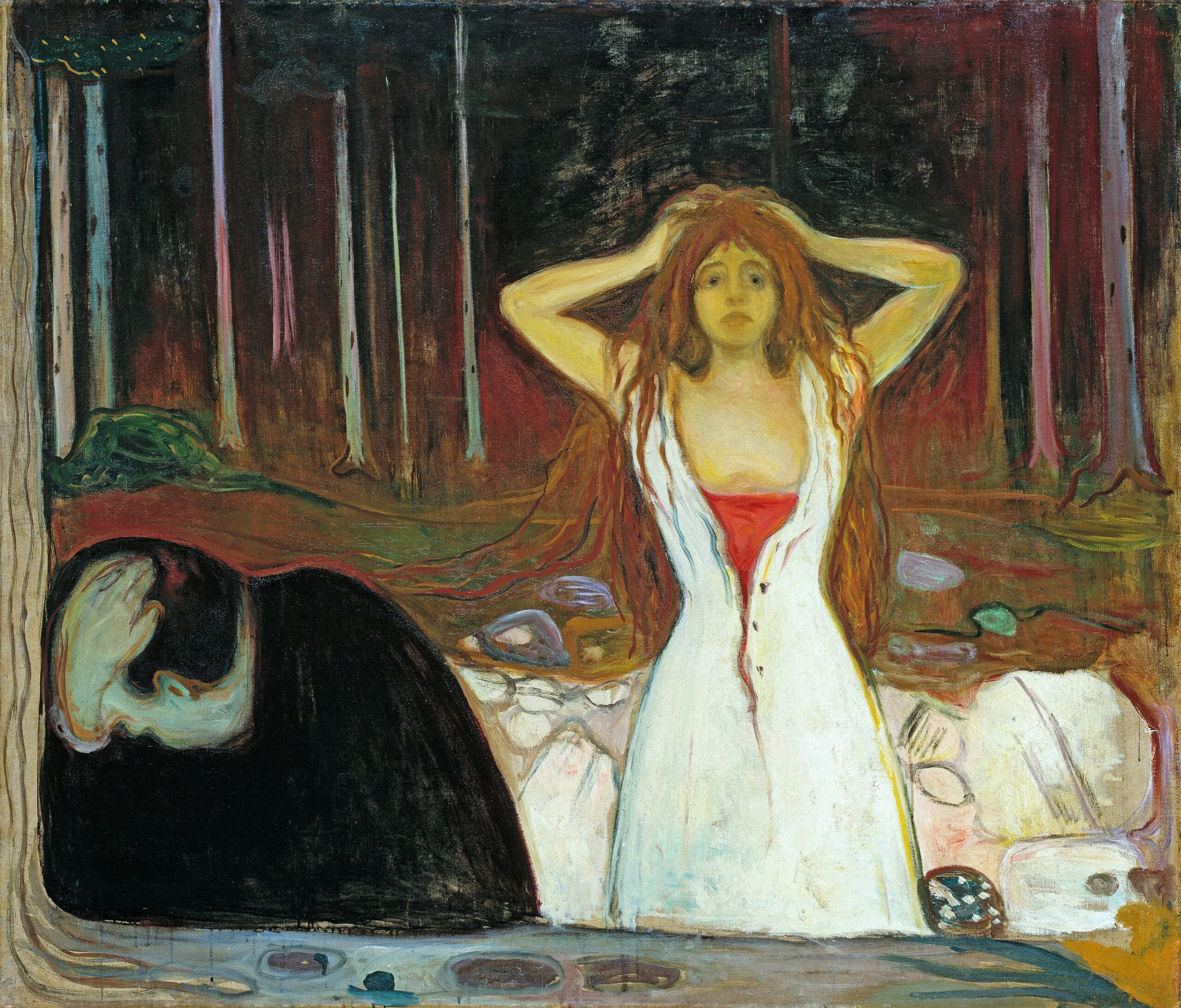
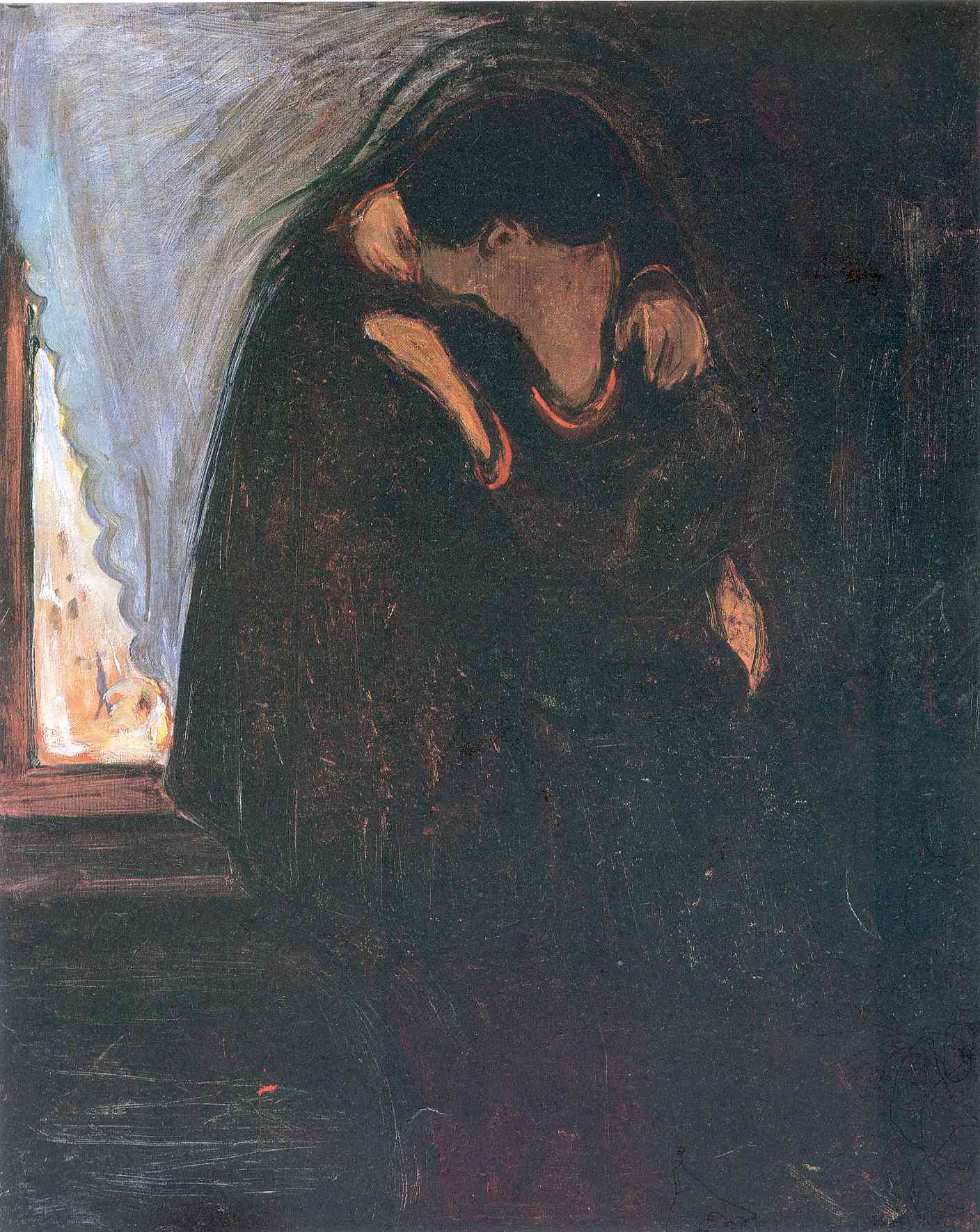
The Scream is Edvard Munch's most famous and frequently reproduced work, symbolizing expressionism and one of the most recognizable pieces of modern art. The painting depicts a figure with a terrified facial expression, holding hands to the head, against a trembling panorama of a fjord and the city of Oslo ablaze with reds and oranges. Munch drew inspiration from his own emotional interventions related to existential anxiety.
Portrait of the Creator
Artist
Edvard Munch
Date of birth and death
12 December 1863 – 23 January 1944
Natinality
Norwegian
Style
Symbolism, Expressionism
Significant works
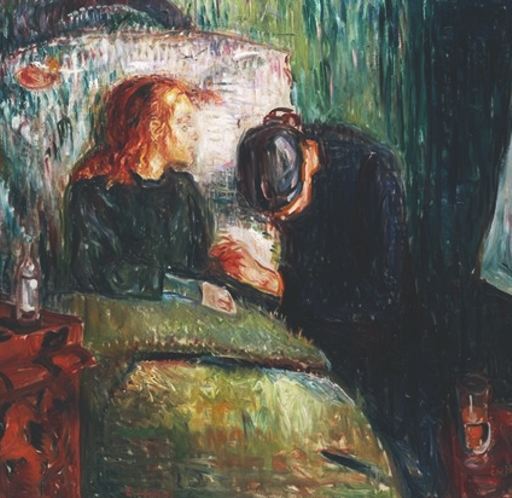
The Scream, Madonna, The Sick Child
Information about the work
Year:
1893
Execution technique:
oil, pastel on cardboard
Location:
National Gallery in Oslo, Norway
Theme:
Existential anxiety, expression of emotions, symbolism
Internal Narrative and Creative Framework
Inner Narrative
The figure in the foreground is an allegory of human terror in the face of life's meaninglessness, alienation, and emotional overflow. The painting combines the artist's personal experiences with a universal feeling of unease.
The key to interpreting the work
The painting should be understood as the essence of expressionism, where emotions and subjective feelings are of primary importance. Attention should also be paid to the metaphorical meaning of colors and composition.