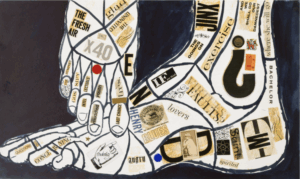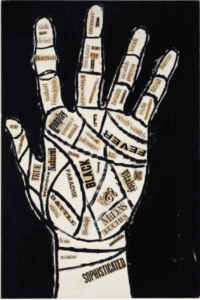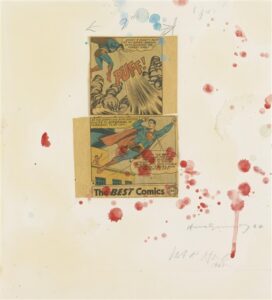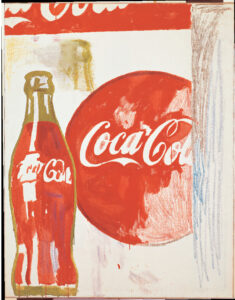






First major pop art exhibition
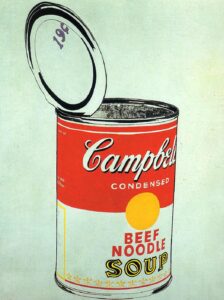
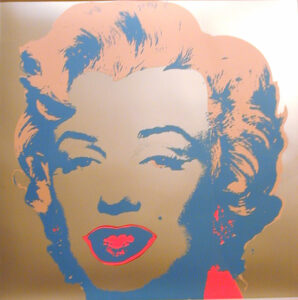
Early 1960s exhibitions introduced Warhol's Campbell's Soup Cans and celebrity portraits, positioning him as a leading pop artist.

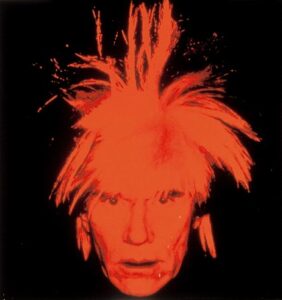
Andy Warhol (1928–1987)
Master of replication – an artist who created himself as a brand.
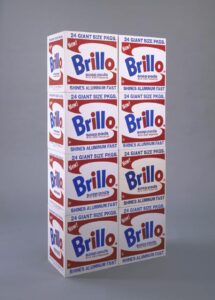
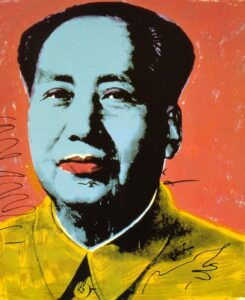
Style: Pop art. Icons of mass culture – soup cans, Marilyn, Elvis, Mao – treated like sacred images. Repetition as the language of our times.
Technique: Screen printing – allowed him to produce series of images like a factory. He named his studio The Factory.
Trivia: Extremely religious in private life, but hid it behind a cool media persona.
For today: Warhol is the patron of digital culture, social media, and celebrity culture. His art says: “Anyone can be an artist – though not everyone will become an icon.”
 Joanna Piotrowska - Art Advisor & Marszand
Andy Warhol (1928-1987) was a seminal American pop artist and filmmaker who explored themes of celebrity, consumerism, and mass media using innovative silkscreen printing. Warhol became a leading figure of 20th-century pop art with works like Campbell's Soup Cans and Marilyn Diptych and fostered a multimedia artistic environment at his studio, The Factory.
Born Andrew Warhola Jr. in Pittsburgh to Rusyn immigrant parents, Warhol suffered childhood illnesses that led him to develop an early interest in art and photography. He studied commercial art at Carnegie Institute of Technology, graduating in 1949.
Initially a successful commercial illustrator, Warhol transitioned to fine art in the late 1950s and emerged as a pop art pioneer by the early 1960s. He embraced silkscreen techniques to explore repeated images of consumer goods and celebrities.
Warhol's New York studio, The Factory, became a cultural hub for artists, musicians, and celebrities. He directed experimental films, produced the band The Velvet Underground, and created multimedia events that impacted art and pop culture.
Following an assassination attempt in 1968, Warhol focused on expanding his brand through published works, portrait commissions, and collaborations with younger artists. He also explored themes of religion late in life. Warhol remains one of the most influential figures in contemporary art.
American
contemporary painting, Filmmaker, Visual Artist
Celebrity culture, consumerism, advertising, death and disaster, sexuality, mass media, pop culture icons
Early 1960s exhibitions introduced Warhol's Campbell's Soup Cans and celebrity portraits, positioning him as a leading pop artist.
Warhol's groundbreaking underground film showcased his multimedia work and avant-garde approach.
Warhol's first major retrospective highlighted his impact on contemporary art.
For iconic Rolling Stones album 'Sticky Fingers' cover design.