




Salon d'Automne Fauvist Exhibition
Matisse showcased revolutionary Fauvist works such as 'Woman with a Hat', gaining fame and notoriety.
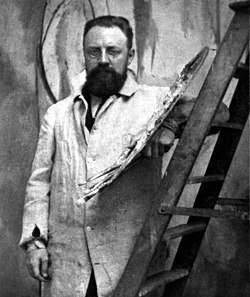
Henri Matisse (1869–1954)
Master of color who turned illness into the art of joy.
Style: Fauvism, decorative abstraction, fluid forms. For him, color was emotion, not description. He said he wanted to create “art like a comfortable armchair.”
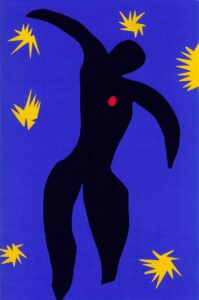
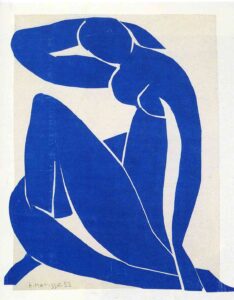
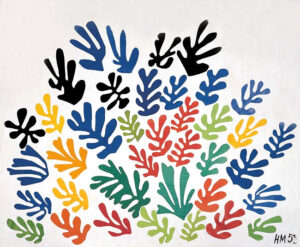
Technique: Painted, drew, and in his final years — created his famous “paper cut-outs” from bed, after cancer surgery.
Curiosity: He also designed the interior and stained glass of the chapel in Vence — his “spiritual child.”
For today: Matisse inspires us to turn physical limitations into imaginative strength. Color as medicine for the soul.
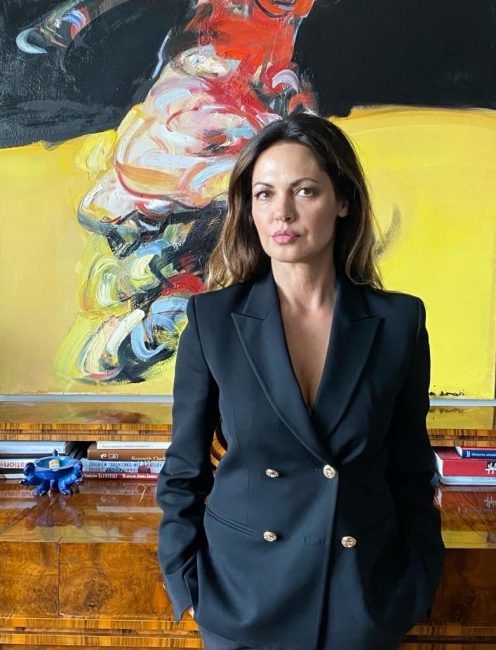 Joanna Piotrowska - Art Advisor & Marszand
Henri Matisse was a French visual artist renowned for his mastery of color and original draughtsmanship. As a leading figure in Fauvism and Modernism, his work includes painting, sculpture, printmaking, drawing, and collage. His career spanned from early traditional works to bold experimentation with paper cut-outs in his later years, contributing significantly to 20th-century art.
Born to a wealthy grain merchant family in northern France, Matisse initially studied law before turning to art after illness. He attended the Académie Julian and École des Beaux-Arts in Paris, learning under Bouguereau and Moreau. Influenced by Chardin and Impressionism, his style evolved with his encounters with artists like John Russell and exposure to vibrant color theory.
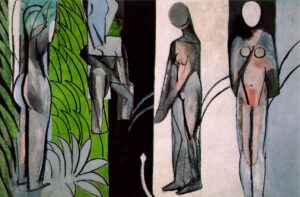
Matisse emerged as a leader of the Fauvist movement with vibrant, expressive, non-naturalistic colors. His 1905 solo show at Vollard and Fauvist exhibition at Salon d'Automne drew both acclaim and harsh criticism, but his works like 'Woman with a Hat' invited new approaches to color and form.
After Fauvism's decline, Matisse developed a more classical style, inspired by travels to North Africa and Spain. His works from this period included 'La Danse' and bold decorative compositions like 'L'Atelier Rouge'. He formed significant friendships and relationships with patrons, collectors, and artists.
In his final years, illness restricted Matisse's mobility, leading him to innovate with paper cut-out collages based on pre-painted gouache sheets. This medium, exemplified in works like 'Jazz', became his primary form of expression, culminating in large-scale mural projects such as the Chapelle du Rosaire de Vence.
French
Collage artist, Draftsman, drawing, Painter, Printmaker, Sculptor
Color, fluid draughtsmanship, simplified and flattened forms, decorative pattern, portraiture, odalisques, still lifes, cut-out collages
Matisse showcased revolutionary Fauvist works such as 'Woman with a Hat', gaining fame and notoriety.
Creation of emblematic work demonstrating matured style with flattened forms and decorative pattern.
Commissioned monumental triptych mural, reflecting his influence and esteem.
Established his innovative cut-out technique as a major art form.